Prefer audio over written content? Listen to the article here:
The 5.56 NATO is so popular that every site you go on, you see a dozen new cartridges for it. With all the options, it can be difficult to pick the best bullet for the job.
What works well at the range isn’t the best bullet for hunting, and neither of those are the best bullets for defense.
Luckily for you, we will break down all the ins and outs for all the 5.56 NATO’s different uses. We will explore how grain weight can affect performance, recoil, accuracy, and much more so that you can make an informed choice about what will work best for you, without all the guess work.
So let’s get into it and find the perfect match for you and your rifle.
TLDR; The Grain You Need
For casual target practice, a 55-grain FMJ is ideal. They are cheap, and have minimal recoil.
Self-defense often calls for 62-grain bullets for better stopping power.
Varmint hunting shines with 45-grain for flat trajectories.
For hog hunters, try out a 54-grain copper monolithic to get enough penetration
Shooting Long-range precision? Go with 77-grain bullets for wind resistance and accuracy.
Top Picks: Best 5.56 NATO Grain By Use
Quick-reference list of standout loads by use case.
-
Best for Target Practice
-
Best for Self / Home Defense
-
Best For Hog Hunting
-
Best For Long Range Shooting
What Is Bullet Grain Weight Anyway?
Grain weight is very simply the measure of a bullet’s mass, where one grain equals about one seven thousandth of a pound. It is a unit of measurement that has been around since the thirteenth century and was originally based on the weight of a single grain of wheat or barley, thus its name!
In modern 5.56 NATO ammunition, the lighter grains like 55 gr fly out of the barrel faster, often exceeding 3,000 feet per second, which gives them much flatter flight trajectories over shorter distances. This makes them great for quick shooting where you don’t need a ton of knock down power.
Heavier grain 5.56 NATO bullets, like in the 77 gr range, carry more weight and therefore deliver a greater impact and better resistance to wind drift. They do require more powder to achieve optimal velocity and tend to drop quicker than lighter grain bullets.
Grain weight also directly affects terminal ballistics, like expansion, penetration, and fragmentation. Think of it like packing for different trips you might take. Lighter grains are easier to carry for shorter trips but lack the substance and all the glitz and glamour that the heavier grains carry in the long hauls.
If you want to dive into the science of how bullet weight really affects your shot, we have an entire article about it here: How Does Bullet Weight Actually Affect Performance?
Best 5.56 NATO Grain for Plinking & Target Practice
For those who prefer to spend casual days at the shooting range where you can plink and poke holes in paper targets while practicing your shooting fundamentals, 55-grain 5.56 NATO ammunition is hard to beat.
It is the most common and affordable option that you will find out there, typically running between $0.50 to $0.70 per round when bought in bulk.

The Hornady Frontier USA Military Grade 55 Grain FMJ is a great choice here. Hornady is a great brand, and these cartridges are military-grade reliable while still being affordable during a day on the range.
A light bullet means low recoil so you can shoot all day without fatigue. While its high velocity, usually around or over 3,000 fps, makes it snappy and fun. It is great for beginners learning sight alignment and trigger control.
It is also easily found and readily available for purchase without breaking the bank. These rounds are reliable and consistent when choosing quality brands, giving you consistent ignition and minimal malfunctions.
However, distances beyond 300 yards, the lighter 55-grain 5.56 NATO loses energy quickly which leads to more drop and less precision. If you stick to inside of 300 yards, you should be golden.
If you are shooting steel targets, consider lead-free variants around 42-grain to cut down on ricochets and have better environmental impact. To get the most out of plinking and target shooting, pair your 55-grain 5.56 NATO ammunition with a 1:9 twist barrel, which stabilizes that grain perfectly.
Top 5.56 NATO Grain for Self-Defense & Home Protection
More people are turning to the 5.56 NATO as a self-defense and home protection option, and when it comes to these, reliability and stopping power become the main focus. The 62-grain 5.56 NATO round rises to the top to fit this need.
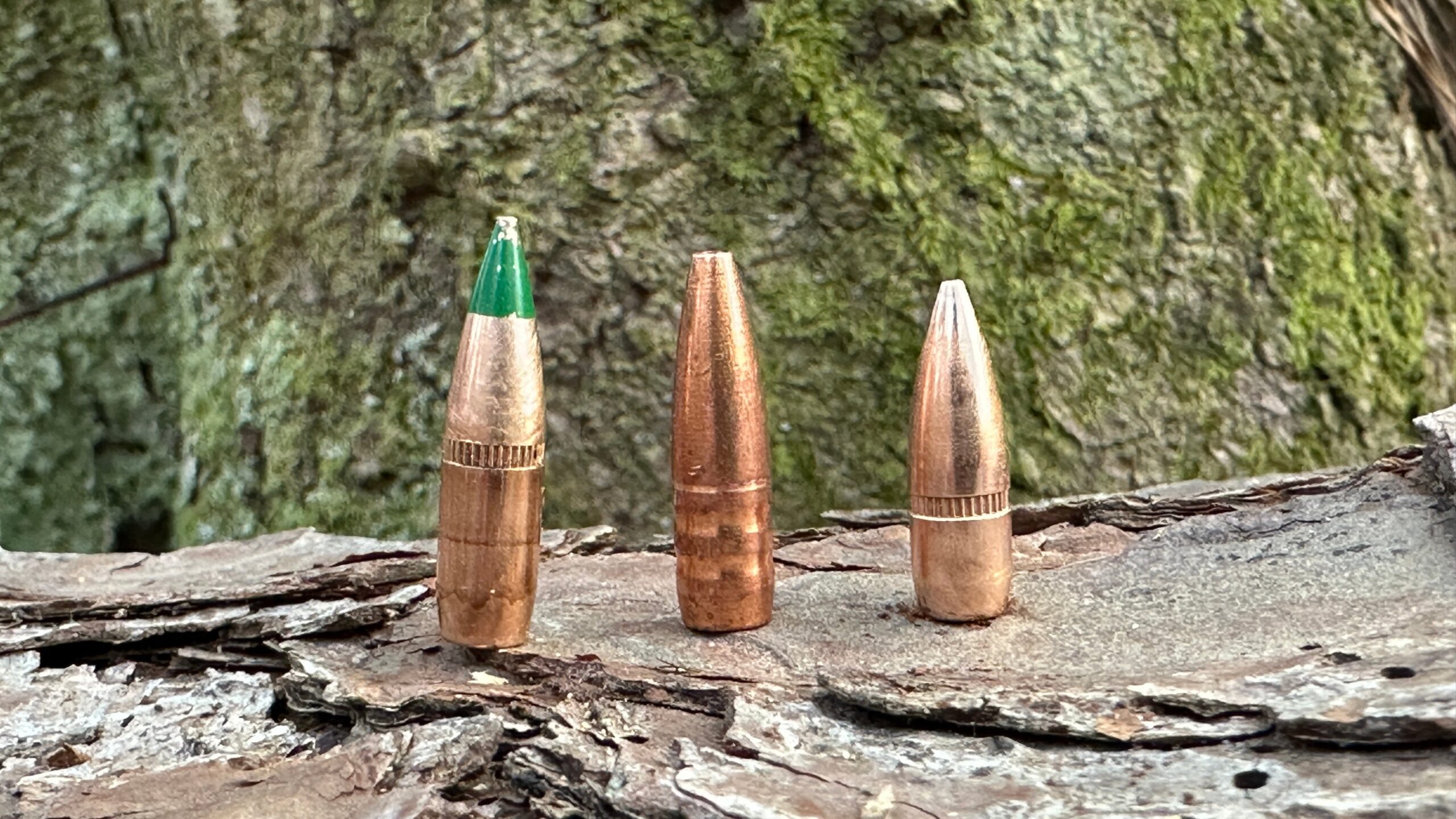
This is the weight behind the military M855 “green tip” rounds, known for their steel penetrating core that punches through barriers like doors or light cover. At 3,000 fps, it balances speed with mass for effective terminal performances.

The PMC X-Tac 62 Grain is probably the most common green tip on the market currently, and they are usually the first choice for Velocity Ammo Sales customers.
It has better penetration than lighter grains and is versatile for short-barreled rifles common for defensive setups. If you opt for 62-grain with frangible or expanding defense designs, you can really pack a punch without worrying about overpenetration within the home when it is unwanted.
The small downside is that these have a bit more recoil, but it is still a 5.56 so it should be manageable. Be sure to practice with these rounds so that you are prepared if you’re using them for self-defense. They are also a bit more expensive and harder to find in bulk orders.
Some tips with using these for self-defense and home protection would be practicing in low-light and movement exercise drills for real-world applications. Also remember proper ammunition care, which means rotate your ammunition and store it properly for reliability when it’s needed most.
If you want to learn about tactical ammo rotation, read this article: Why You Should Be Rotating All of Your Ammo
Ideal 5.56 NATO Grain for Varmint Hunting
Hunting with the 5.56 NATO opens up some exciting possibilities, especially when it comes to varmint control. The smaller grain options between 35-45 grain are your go to for 5.56 NATO varmint hunting.
These grains deliver explosive fragmentation on small critters like groundhogs or coyotes. With flat trajectories under 300 yards, quick, ethical shots are varmint hunter’s best friends.
These rounds are super low recoil which is great for spotting your own shots and are also super affordable for high-volume hunts that take more than one shot to fill your bag limit.
Honestly, not many cons here, but these rounds are designed specifically for varmint hunting and don’t really have much use for other applications.
Best 5.56 Grain for Hog Hunting
Wild hogs are notoriously tough animals. Often, hunters will say that the .223 Remington is too light for hogs, but they will still use the 5.56 NATO. A great option for hogs is a 54-grain copper monolithic bullet.
These solid bullets will make sure you get enough penetration with such a light bullet, and this construction is usually better than a softer but heavier bullet; especially when we are talking about a 15 grain difference.
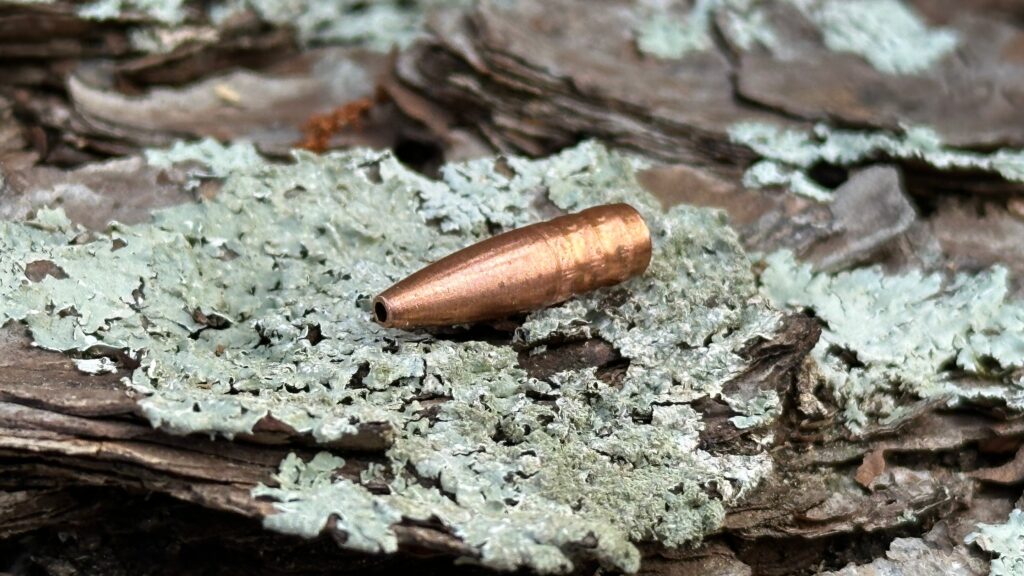
The best option for this is the G9 Defense 54 Grain Barrier Blind Solid Copper HP. These rounds pack a nasty punch and are sure to down hogs quickly. Plus, being a bit lighter will reduce recoil and allow for quick follow up shots.
Still, some hunters would consider the 5.56 NATO a little light for bigger hogs; although if you want to stick with the AR-15 platform, 5.56 is a good default cartridge.
Best Long-Range & Precision Shooting
If you are a long distance shooter that likes to push their limits beyond 300 yards or is a competition shooter, 75-77 grain 5.56 NATO bullets are the way to go.
Their higher ballistic coefficients mean they slice through the wind and retain their energy farther out and can deliver sub-MOA groups with the right setup.
Plus, you will get superior wind resistance and match-grade performance. Ideal for suppressed rifles or competitions.
The downside is that they demand a much faster barrel twist like a 1:7 or 1:8 to keep them stable for the long travel. And with premium performance, comes a premium price where you can expect more than $1 per round.
These heavier grain 5.56 NATO can be super fund for practicing and becoming proficient at longer ranges. They can also be great for long range competitions if you are looking to start competing.
If you want to know everything you need to know about bullet design for long range shooting, this article is a must: How Ballistic Coefficients Effect Long Range Shooters
Why Grain Choice Matters
Barrel length plays a big role in grain choice. Shorter barrels in those like pistols or SBRs benefit from lighter grains because they achieve higher velocities in a shorter distance.
Longer barrels, like 20 inches or more, handle heavier bullets better because they extract more energy from the bigger powder burns.
Another key factor would be your shooting environment. If you shoot in outdoor ranges that tend to be windy, heavier grains will hold their trajectory better and be more accurate. For indoor use or close-quarter practice, lighter options reduce overpenetration risks.
Budget, of course, matters too!
Lighter grains are often cheaper to produce, so you will find bulk ammunition packs of 55 gr 5.56 NATO at a bargain price compared to heavier grain ammunition. This makes lighter grain 5.56 NATO ammunition perfect for high volume training sessions at the range.
Finally, don’t forget about legal and ethical obligations to the ammunition you use. Certain grain weights or bullet types have restrictions for hunting. Always put in your due diligence and check your local and state regulations to stay compliant.
If you live in a strict state like California or New York, or just want to make sure you are in the clear, you should also read this article: Bullet Design Laws by State [What You Can and Can’t Have]
Matching Grain to Your Barrel Twist Rate
Your twist rate is something that most shooters don’t think about at all before buying a cartridge. Sure, all of them will fire through your factory barrel, but your twist rate will have a bigger impact than some shooters think.
For starters, your rifle’s barrel twist rate is the spin it puts on the bullet, measured in turns per inch. You will see it commonly like this 1:9 meaning 1 twist in 9 inches of barrel.
This is crucial for the stabilization of the bullet as it travels on its trajectory. If a mismatch is present, it can cause the bullet to tumble in flight. This can greatly diminish accuracy.
Lighter grains stabilize in slower twists, while the heavier grains need faster twists to avoid wobbling.
Here is a table for your twist rate reference:
| Grain Range | Best Twist Rates | Examples |
|---|---|---|
| 35-45gr | 1:12 to 1:14 | Varmint Loads |
| 50-55gr | 1:9 to 1:12 | Plinking or Target FMJs |
| 60-69gr | 1:8 to 1:9 | Military M855 |
| 70-77gr | 1:7 to 1:8 | Match OTM |
| 80-90gr | 1:6 to 1:7 | Long-Range Heavy |
Test different grains in your specific rifle for optimal results. If you are unsure of the twist rate of your rifle, you can measure it with a cleaning rod and a patch. Mark the rod, insert until one full rotation of the rod, and then measure the distance. This will give you the twist rate.
If you are looking to or considering upgrading your rifle barrel, consider a barrel with the very versatile twist rate of 1:8, which covers most grains and can be used more universally without sacrificing much performance for any grain you choose.
If you want to dive deeper into the ballistics of the bullet in flight, you should absolutely read this article: Internal External & Terminal Ballistics [What Truly Matters]
Choosing Your Perfect 5.56 NATO Grain
Choosing the best 5.56 NATO grain boils down to your goals. Use the 55 gr for fun and practice, 62 gr for defense, 35-45 gr for varmints, and 75-77 gr for precision. Experiment at the range, consider your rifle’s specs like twist rate and barrel length, and prioritize quality ammo brands.
Whether you are a newbie or seasoned pro, the right grain enhances enjoyment and effectiveness. So make the right choice for you and your shooting style. Stock up on your favorite 5.56 NATO cartridge and enjoy your shooting!
5.56 NATO Grain FAQs
Q: Is 77 Grain 5.56 Worth It?
77 grain 5.56 ammunition is perfect for those who value accuracy, consistency, and terminal ballistics at distance. These rounds shoot better out of longer barrels with faster twist rates but cost more and have no real advantage over other bullets when target shooting at the range.
Q: What Is the Best Grain for 5.56 NATO?
There really isn’t a “best” grain of 5.56 out there. 55 grain is the most versatile round you can buy and is also the cheapest. 62 grain offers great penetration without much recoil. 77 grain gives up some velocity for tighter groups and longer-range performance out of rifles capable of stabilizing the round.
Q: What 5.56 Ammo Should I Use at the Range?
Bring 55 grain or 62 grain FMJ 5.56 to the range. It’s the cheapest, most common ammo that will work in nearly every rifle on the market. Also, you won’t beat down your barrel or shoot yourself with stronger recoil like you would with 77 grain ammunition.
Q: What Grain 5.56 NATO Does the US Military Use?
The American military usually uses 62 grain 5.56 NATO. The round is officially known as M855. Some special military teams use heavier 77 grain ammunition. Examples include Mk262, which gives you tighter accuracy and improved long-range performance.
Q: What Is the Point of Green Tip 5.56?
Green tip ammo has a steel penetrator through it to help rip through light barriers. Green tip ammunition was designed for military use, and it is not an “armor-piercing” round. This ammo can’t be brought to most indoor firing ranges because of the steel penetrator that could damage targets.