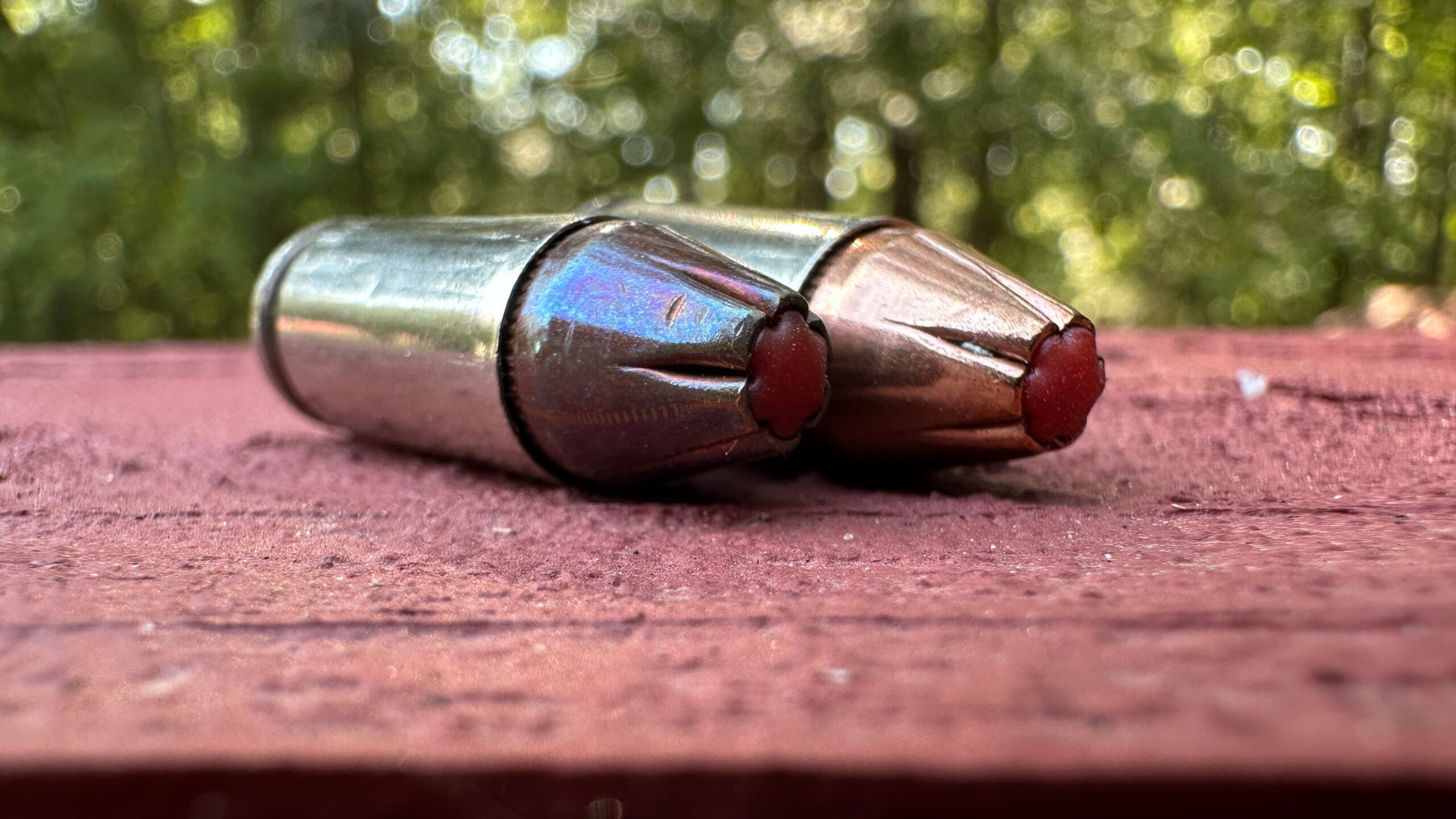
If you are a serious gun enthusiast or collector, you more than likely have a decent amount of ammunition on hand. A lot of shooters have a few hundred if not a few thousand rounds of their favorite cartridges tucked away. While preparedness and bulk ordering ammo is a good thing, if you leave it sitting around for long periods of time uncared for, it may not work when you need it. If you don’t want your time and money to go to waste, you need to be rotating your ammo regularly, and today I am going to show you how.
Rotating all of your ammunition is extremely important to ensure the reliable function, performance, and accuracy of that ammunition. Environmental factors like moisture and temperature fluctuation can negatively affect ammunition along with chemical degradation and frequent handling of ammunition.
There are plenty of reasons why you should be rotating all your ammunition; let’s dive into some strategies that will help you do it effectively.
Issues With Storage
The need to rotate all of your ammunition will usually stem from how and where you end up storing it. Not all of us are able to store our ammo in a constant temperature and humidity controlled area of our house or workshop. Your ammunition’s life span is dictated by the conditions in which we keep it, but no matter how perfect we think those conditions are, you can still have issues.
Issues like moisture, temperature fluctuations, and chemical degradation can all degrade your ammo. Human interaction with ammo can also have a role, whether it be oil from our skin, accessing cleaning solvents, or the daily handling of everyday carry ammunition. Even if it isn’t evident to the naked eye, these factors all play a role in how our ammunition reliably performs. Let’s start with the biggest ammo killer, moisture.
Moisture
As with gun care, moisture is one of the biggest obstacles that gun owners have to overcome when it comes to storing ammunition. Moisture can wreak havoc on ammunition over a period of time in several different ways. Some are more apparent than others, while some can be silent saboteurs of good shooters.
The visible issues with moisture usually come in the form of corrosion on the casing and outside of the ammunition. This can have adverse effects on how the casing and bullet interacts with chamber and barrel when being fired.
Some not-so-apparent effects of moisture can be to the primer and powder of the ammunition. As much as we think that ammunition is perfectly sealed, it is not. Moisture can get in through several areas of the ammo such as the casing mouth, the primer pocket, or even the crimp.
This invasion of moisture can cause ammunition to perform inconsistently or even misfire altogether. Moisture can affect the gun powder’s burn rate and charge weight. It can also corrode primers, which is where misfires and delayed ignitions can happen.
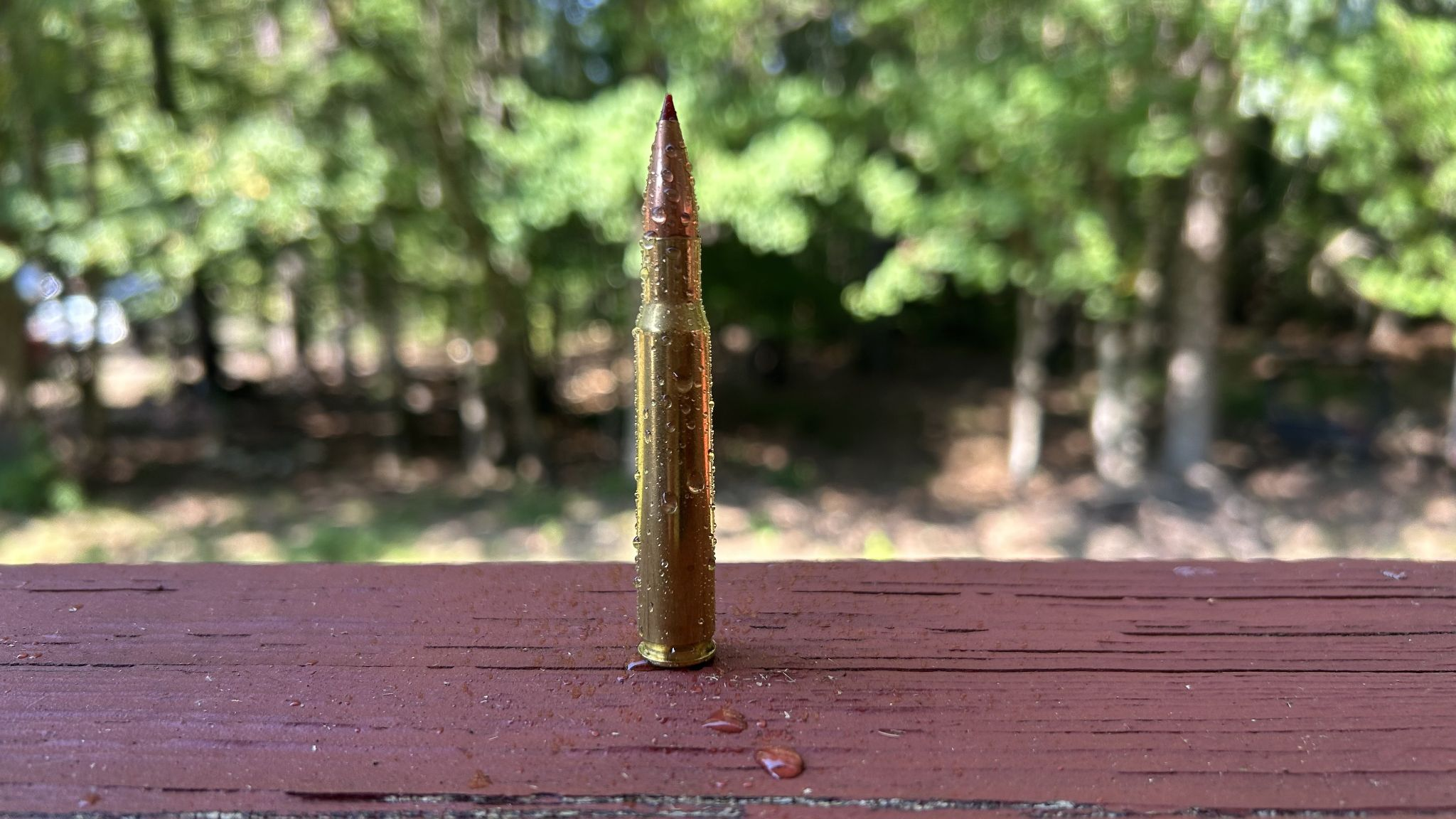
Your best bet for fighting moisture is to store your ammunition in an airtight container with some sort of desiccant. This can be as simple as a ten dollar gel pouch, or as complex as a dehumidifier or heater bar setup in a gun safe. For the average shooter, silica gel pouches are an easy way to increase your ammo’s lifespan. Although the biggest saver would be to store your ammo in a climate controlled environment where there is already less moisture in the air than what you would find in a garage or shed.
Moisture would seem to be a common sense issue with ammunition, but it is hard to consistently fight it over long periods of time. Desiccant can only do so much, and it’s not the only environmental factor that can affect ammunition.
Temperature Fluctuations
For those that travel or have to take their ammunition long distances to hunt or go to a shooting range, rapid temperature fluctuations can have similar effects as moisture on ammunition. Going from room temperature to the extreme heat or cold in your vehicle or out in the field can have adverse effects on the ammunition.
While it is rare for these rapid temperature fluctuations to immediately cause a failure, repeated rapid fluctuations over a medium to long term certainly will. So if you carry the same ammo can to the field and only skim the first few boxes off the top and fill it up again without practicing First In First Out (FIFO), then you can expect to eventually have a failure.
These fluctuating temperatures in both the short and long term can increase or decrease powder pressures, degrade the gunpowder, and effect primer operation. Not only can this lead to poor accuracy and wider groups, it can possibly damage your firearm.
Rotating your ammo can counter this if you are dealing with temperature fluctuations when you leave ammo in your car in extreme hot or extreme cold temperatures or if you frequently go to shooting ranges or into the field in extreme temperatures. Don’t forget about that extra magazine for your truck gun that has been in your door for a few years either.
The best way to prevent an accident is abstinence children, so try to avoid storing your ammo in areas with large daily temperature fluctuations like garages, sheds, or vehicles.
Chemical Degradation Over Time
While technology and manufacturing has made vast improvements in ammunition longevity, it still has its limitations. The chemical stability of gunpowder declines over time, and in general, it can be accelerated by the factors we have already touched on. Even if your storage is on point and conditions are near perfect, it is always recommended to rotate your ammunition frequently to counteract any chemical degradation or environmental factors that might eventually wear down your ammo. The last thing you want is to be dependent on rounds of ammunition that have been on the shelf or in an ammo can for a decade or more. Ammunition failure always happens when we least expect it, try your best to be prepared.
Everyday Carry Ammo
For those of you that everyday carry a firearm on your person, rotating your ammo frequently becomes even more important. You have to be able to trust your ammo when a dangerous situation arises.
Beyond the environmental factors we previously talked about, which everyday carry ammo will endure more than say your range or hunting ammo, your EDC ammo will come in contact with gun surfaces, skin contact, and other elements that could contaminate and affect the ammo. We want to avoid failures due to these issues at all costs.
Everyday carry ammo gets handled more than any other ammo. Through actions like chambering and unchambering rounds to ammo being in a magazine for an extended period of time, ammunition can deteriorate or become deformed in ways that affect its reliability and accuracy.
Chambering and unchambering rounds in your everyday carry firearm puts the ammunition in contact with skin oils, moisture, and can cause physical deformities to the casing. Physical deformities can be caused from rounds being inserted into magazines frequently or the chambering action of the firearm. These physical deformities can cause misfires, decreased accuracy, and poor firearm function when cycling rounds. All things we don’t want to happen in an everyday carry use situation.
Be sure to pay close attention to your everyday carry ammo and inspect it frequently. Rotate it on a steady schedule and use your older carry ammo at the target range. This will ensure you always have fresh and reliable ammo in your everyday carry firearm.
Best Practices For Rotating Ammo
Here are a couple of different options that you can use to effectively rotate your ammunition, regardless of how you shoot, to ensure that your ammunition is always in good and effective condition.
First, always mark the purchase date of your ammunition on the box in which it came in. This ensures that you know exactly how old that ammunition is and how long you have had it for. Do your research on the type of ammo you buy and know what the manufacture recommendations are for shelf/storage life after being purchased.
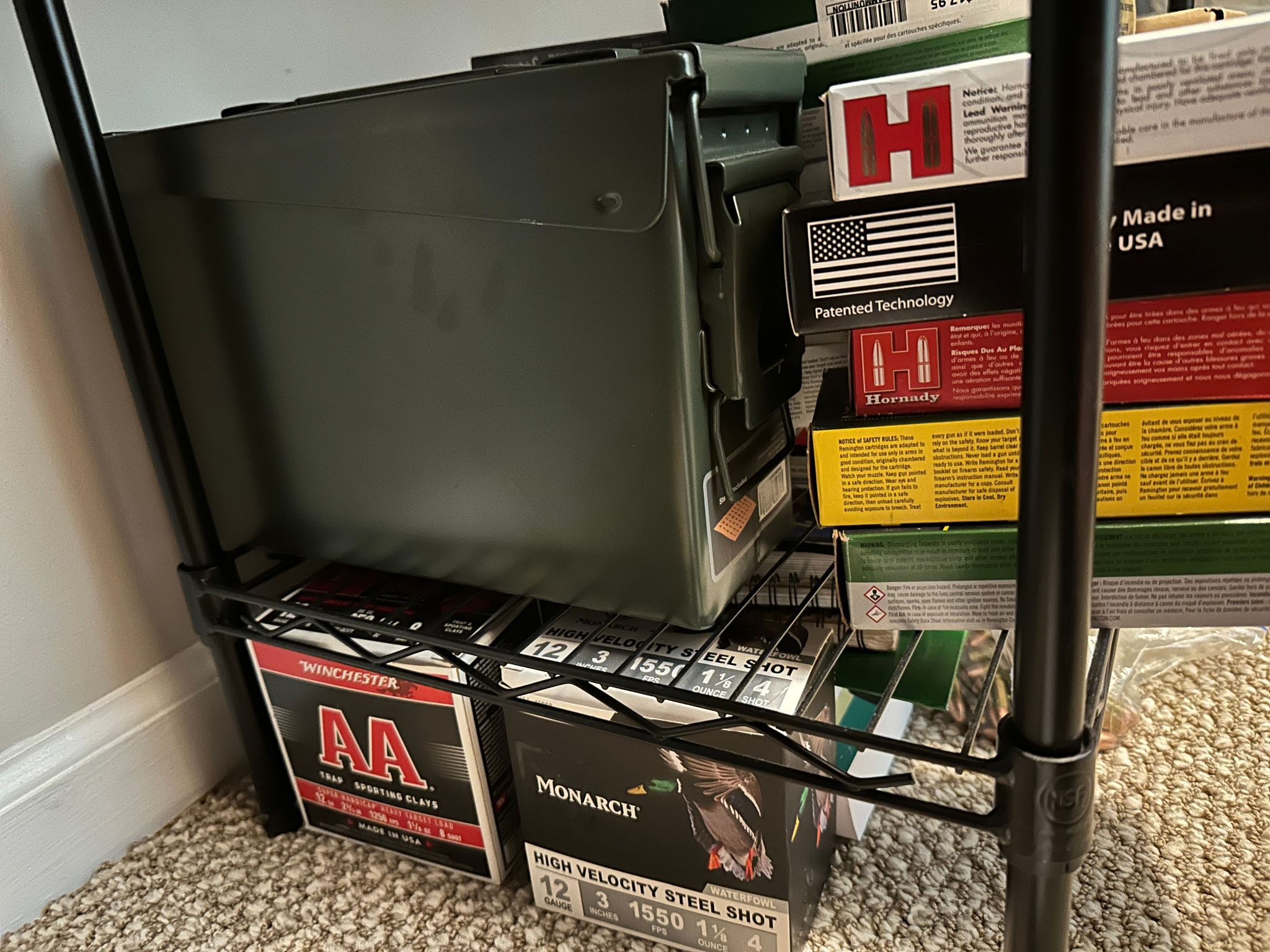
Secondly, stack and store ammo in a way so that you use the oldest ammunition first, before newer ammunition is used. If you use ammo cans, put the newest ammo in the bottom and the oldest at the top. This way, when you open the can, you are always grabbing the oldest ammunition first. If you stack it on a shelf, put the newer ammo in the back with the oldest ammo placed in front of the newer ammo.
Next, use older ammunition at the shooting range to practice. This is especially important for everyday carriers and for hunters. Your everyday carry ammunition and field ammunition for hunting should be practiced with. Rather than always shooting with target rounds, rotate your field use ammo to get the best practice in and also aid your ability to always have fresh ammo in your firearm when you need it the most.
Next, you could try marking individual rounds when you go to use them. This would be especially useful to everyday carriers and hunters. For example, a hunter might take five rounds of ammo into the field with him but might have bought twenty rounds for that season. By marking those five rounds, he now knows which ones he took into the field and possibly exposed to adverse weather conditions while in the field.
If he only uses one, he now has four left that have been in less than ideal environmental conditions. If he puts those back with the others, he now knows which ones were out in the field. The following year, he should use those four leftover field rounds for target practice. This ensures he has more reliable ammunition and older, possibly degraded rounds were used in target practice instead of in the field.
Finally, it is important to note that If you haven’t gotten the chance to rotate your ammo in a while, that is okay. Ammo rotation is more precaution than anything. Modern ammunition can last for decades, but failures can happen. I have shot loose ammo that sat in a warehouse for longer than I have been alive, and it ran fine, but following these best practices will make sure that your firearm operates correctly every time you pull the trigger.
Rotate Rotate Rotate
For peace of mind and to ensure the reliability and performance of your ammunition, be sure to effectively rotate all of your ammunition. Make adjustments to your current system and get into a habit of rotating your ammunition on a regular basis. If you are finding it hard to rotate your ammunition frequently enough, you could go to the range more to help with that situation. Shooting practice is always useful, and incredibly important for everyday carriers. So if you are carrying the same magazine everyday, or every season, trying emptying it at the range and starting new with ammunition you can surely count on.